
What we do
We help London children who are struggling with complex disadvantage to feel included, adventurous, proud and successful – often for the first time in a long time.

Outdoor Adventure
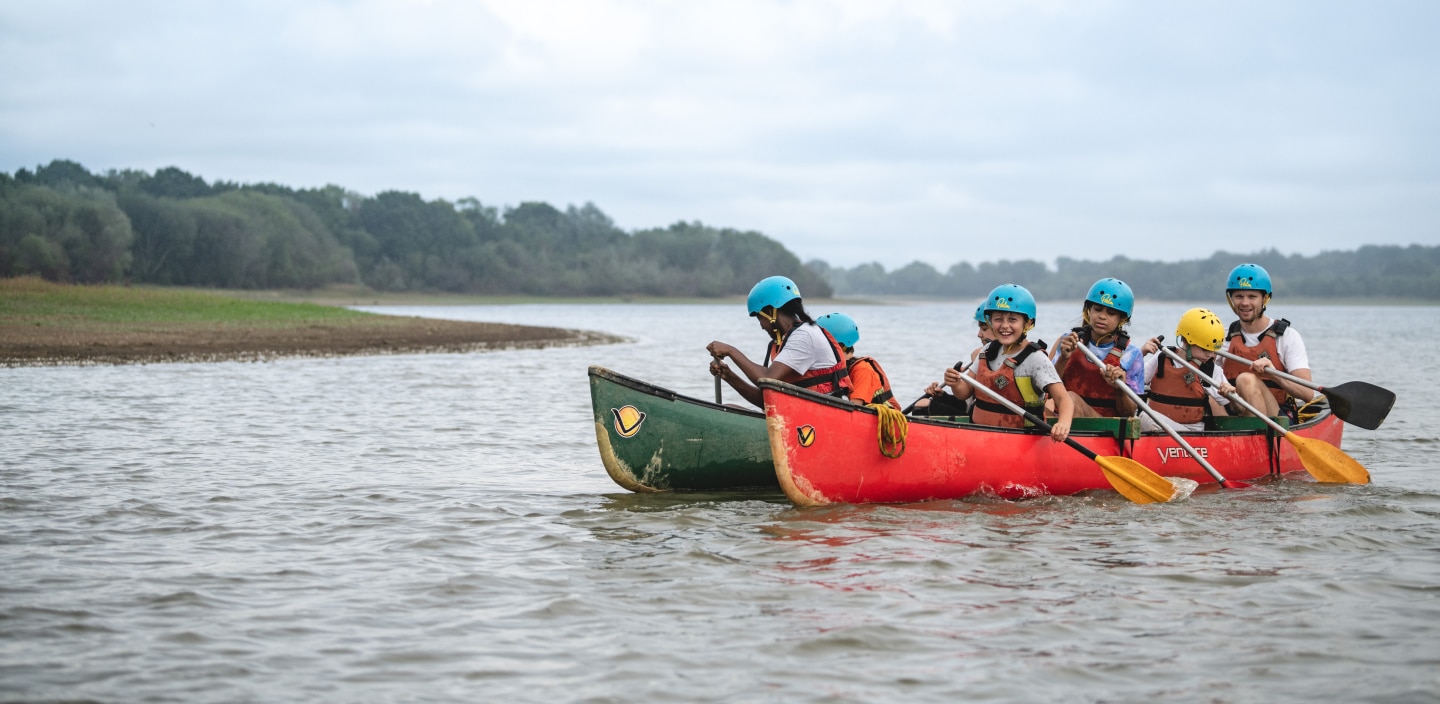
Using outdoor adventures, intensive time alongside attuned adults and structures that help to build friendships and social skills, we work with children for as long as they need to build their confidence and better see their skills and talents. In turn, this work helps them to change their stories about who they are, and what they are capable of.

The need for our work
of children working with us are from extremely disadvantaged backgrounds, including living with parents with addiction or mental health difficulties, facing homelessness, acting as young carers or living in poverty.
have a history of, or concerns around, potential abuse or neglect.
are experiencing emotional, social or behavioural difficulties.
are either at risk of, or have experienced, an exclusion from school, or have been the subject of a referral to Social Services in the last year.
Our Projects
Gateway
Initial 4 day residential projects for 8-12 year olds.

Mentoring
Initial 4 day residential projects for 8-12 year olds.
Journey
Initial 4 day residential projects for 8-12 year olds.
Young Leaders
Initial 4 day residential projects for 8-12 year olds.
The Journey
1) Children referred
London-based children (aged 8-12) are initially referred to us by a professional who is working with them – often a Social Worker, CAMHS practitioner or their school. We prioritise offering support to those with the highest level of need, who may struggle with less specialist provision.
Read more2) 5 day residential
They are initially invited to attend a five-day residential trip. Based in beautiful natural environments and supporting children to try new and adventurous activities, the project helps us to build trust, better understand the child’s needs and assess whether they would benefit from longer term support.
Read more3) Identify ongoing needs
Following this, we feed back and work with referrers to identify what ongoing support we can offer to the children who are most in need. From returning on future residentials, to accessing one to one mentoring, to joining our Journey Programme, a series of specifically tailored residential projects with the same group of high need young people over an 18-month period.
Read more4) Ongoing support
Where children need ongoing support, we work alongside them for as long as they need – often throughout childhood and adolescence. Children move between the various interventions we offer as needs develop or change. Throughout, we aim to work closely with the other organisations in their support network, providing feedback after each project.
Read more5) Young Leaders Programme
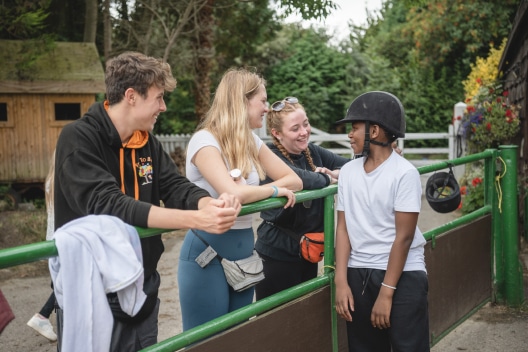
When young people become too old to attend our main residential projects, some train with us and are supported to become peer mentors for the younger children through our Young Leaders’ Programme. We also support Young Leaders with personal development opportunities and coaching. At age 18, they are supported to transition into our adult volunteering team.
Read moreOur approach, developed over many years of providing residential support for disadvantaged children, including many with complex behavioural needs, is designed to give every child the opportunity to thrive in a safe and nurturing environment. Projects are structured to ensure a focus on building children’s confidence, resilience, and social skills by using the following principles: